
Who Benefits from Chiropractic Care? A Natural Path to Relief and Recovery

Updated: Aug 15
At Next Level Health & Rehab, we believe that pain, tension, and limited mobility are signals from the body — not sentences. Whether you're managing the impact of daily posture habits, recovering from an injury, or seeking a more sustainable approach to wellness, chiropractic care offers a personalized, non-invasive way to support your body’s ability to heal and function optimally.
This article breaks down who benefits from chiropractic care, the concerns that commonly bring people into the office, and how we tailor each treatment plan to the individual — not just the symptom.
Every patient is different, which is why care should begin with an individualized evaluation. Schedule your consultation and take the next step towards feeling better, moving better, and living better.
Redefining the Role of Chiropractic Care
Many assume chiropractic care is only for people with severe back problems or accident injuries. Chiropractic care has a broader role than pain relief alone.
Chiropractic care focuses on improving joint mobility and addressing restrictions in the spine and other joints that may contribute to pain, stiffness, or changes in movement.
Depending on the individual, care may support improvements in areas such as:
Posture
Muscle balance
Joint mobility
And often, how you feel day-to-day
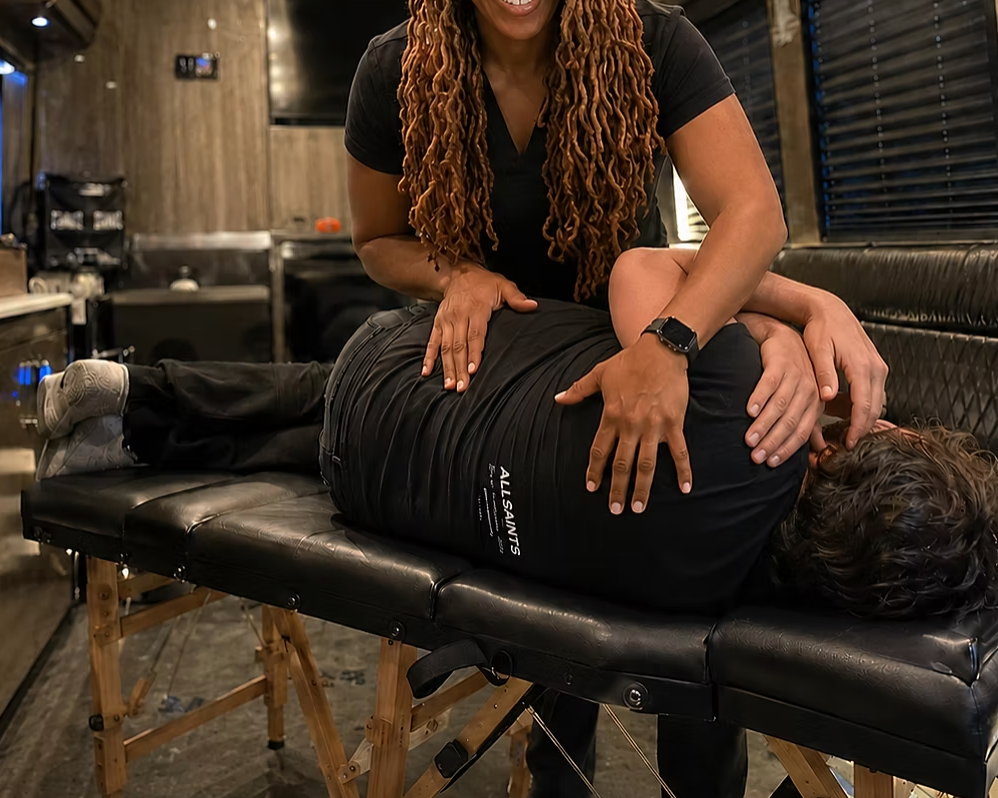
Our approach at Next Level Health & Rehab — led by Dr. Rodesha Davis (“Dr. Ro”) — focuses on individualized care. No templates. No rushed adjustments. Just skilled, hands-on care aligned with your lifestyle and goals. → Learn More About Chiropractic Care
Who Benefits from Chiropractic Care in Everyday Life?
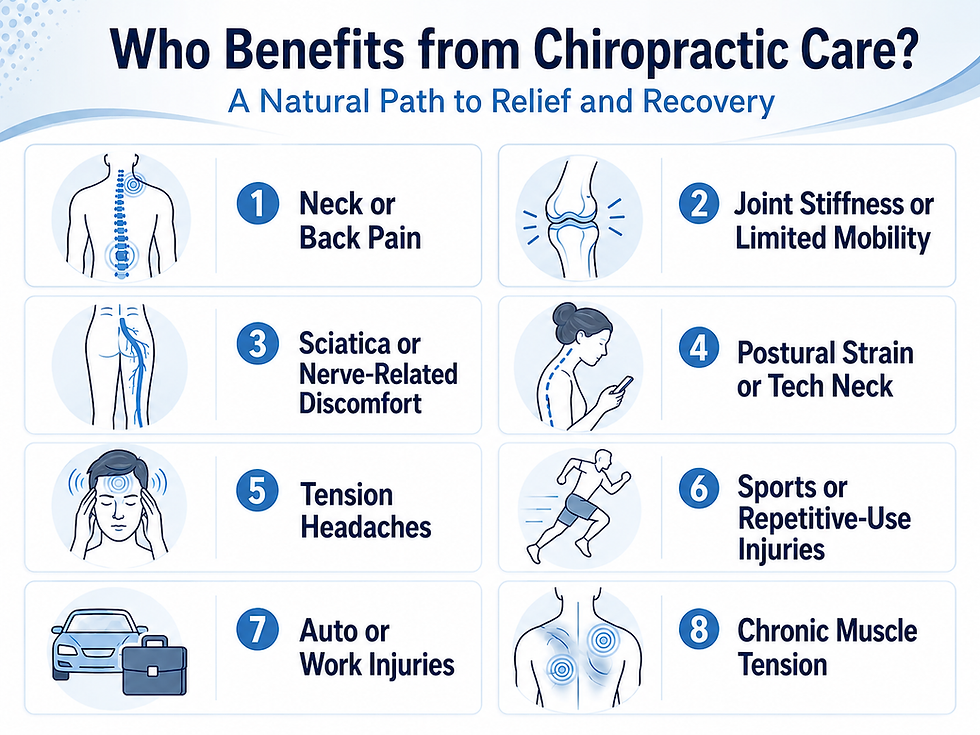
Every patient is different, but many fall into familiar patterns. Here are the types of concerns we most often help resolve — each with its own approach, each addressed through the lens of functional recovery.
Professionals Managing Postural Strain
Common Concerns:
Tech Neck • Upper-Back Tension • Headaches • Stiffness
Long hours at a desk, behind the wheel, or using digital devices can place ongoing stress on the neck and upper back. Chiropractic care may help improve joint mobility, address postural strain, and make daily movement more comfortable.
Parents and Adults with Persistent Back Pain
Common Concerns:
Lower-Back Pain • Lifting Strain • Joint Stiffness • Limited Mobility
Lifting children, managing a household, working on your feet, and handling everyday responsibilities can gradually strain the back and surrounding muscles. Personalized care focuses on restoring movement and addressing the patterns contributing to recurring discomfort.
People with Chronic Muscle Tension or Joint Pain
Common Concerns: Tight Muscles • Recurring Stiffness • Joint Discomfort • Movement Restrictions Persistent tension and joint discomfort may develop from stress, posture, repetitive activity, previous injuries, or compensation patterns. Chiropractic care focuses on improving joint function while supporting the muscles and movement patterns around the affected area.
Athletes Recovering from Repetitive Strain
Common Concerns: Repetitive Strain • Joint Restrictions • Training Soreness • Recovery Limitations Running, lifting, martial arts, team sports, and regular training place repeated demands on the body. Chiropractic care can complement soft tissue therapy and movement-based rehab to support mobility, recovery, and efficient movement.
Individuals Healing After Accidents or Injuries
Common Concerns: Whiplash • Back Strain • Muscle Guarding • Reduced Movement Auto accidents, lifting injuries, falls, and repetitive workplace demands can affect how the spine and surrounding tissues move. Care begins with an individualized assessment and progresses according to your symptoms, comfort, and recovery needs.
Patients with Nerve Discomfort and Sciatica
Common Concerns: Radiating pain • Tingling • Numbness • Leg Discomfort Nerve-related symptoms may develop when surrounding joints, discs, muscles, or movement patterns irritate sensitive structures. Chiropractic care may be used as part of a conservative plan to improve mobility and reduce mechanical stress around the affected area.
Chronic Headache and Migraine Sufferers
Common Concerns:
Neck Tension • Head Pressure • Reduced Neck Mobility • Postural Strain Some headaches are associated with tension, restricted neck movement, or prolonged postural stress. Chiropractic and supportive soft tissue care may help address musculoskeletal factors that contribute to certain headache patterns.
Beyond Pain: Functional Chiropractic Care for Modern Life

Chiropractic care isn’t reserved for pain management alone. At its core, it’s a tool to improve movement, support joint function, and help you stay active and comfortable in everyday life— whether you're an athlete, a caregiver, or simply trying to stay active without discomfort.
What makes Dr. Ro’s approach different is the emphasis on:
Precision: Every adjustment is tailored, never rushed
Integration: We combine adjustments with soft tissue therapy, functional movement work, and nutrition support
Accessibility: With both in-office and mobile care options, chiropractic fits into your schedule — not the other way around
Explore Specific Topics (Coming Soon):
This article is your starting point. For more in-depth insight on how chiropractic care supports specific concerns, explore these related topics:
Each article is designed to educate and empower — with clarity, not complexity.
Taking the Next Step Toward Better Function and Relief
If you’ve been living with discomfort — or feel your body isn’t moving the way it used to — chiropractic care may offer the reset you’ve been looking for.
Our team is here to listen, assess, and create a plan that reflects your needs and goals. Whether you’re new to chiropractic or returning after time away, your care will always begin with understanding — and move forward with purpose.
Frequently Asked Questions
Do I need to be in pain to see a chiropractor?
No. While pain is a common reason people seek chiropractic care, you may also benefit from care for joint stiffness, limited mobility, postural strain, movement restrictions, or support with staying active and moving comfortably.
How do I know if chiropractic care is right for me?
The best place to start is with an evaluation. Your chiropractor can review your symptoms, health history, movement, and goals to determine whether chiropractic care is appropriate for you or whether another type of care or referral may be recommended.
What happens during the first chiropractic appointment?
Your first visit typically includes a discussion of your health history and current concerns, followed by a physical and movement assessment. Based on the findings, your chiropractor will discuss recommendations and, when appropriate, begin treatment tailored to your needs and comfort level.
Can chiropractic care be combined with soft tissue therapy or rehabilitation?
Yes. Chiropractic care can be incorporated into a broader treatment plan that includes soft tissue therapy, functional movement therapy, corrective exercise, and sports or injury rehabilitation. Combining approaches can help address joint mobility, muscle tension, movement patterns, and functional goals rather than focusing on one area alone.
Begin Your Chiropractic Journey
Appointments are available at our Hunt Valley office, with mobile chiropractic care available throughout Baltimore County, Harford County, and surrounding areas.


